Beginner's Guide to Growing Lavender in Containers
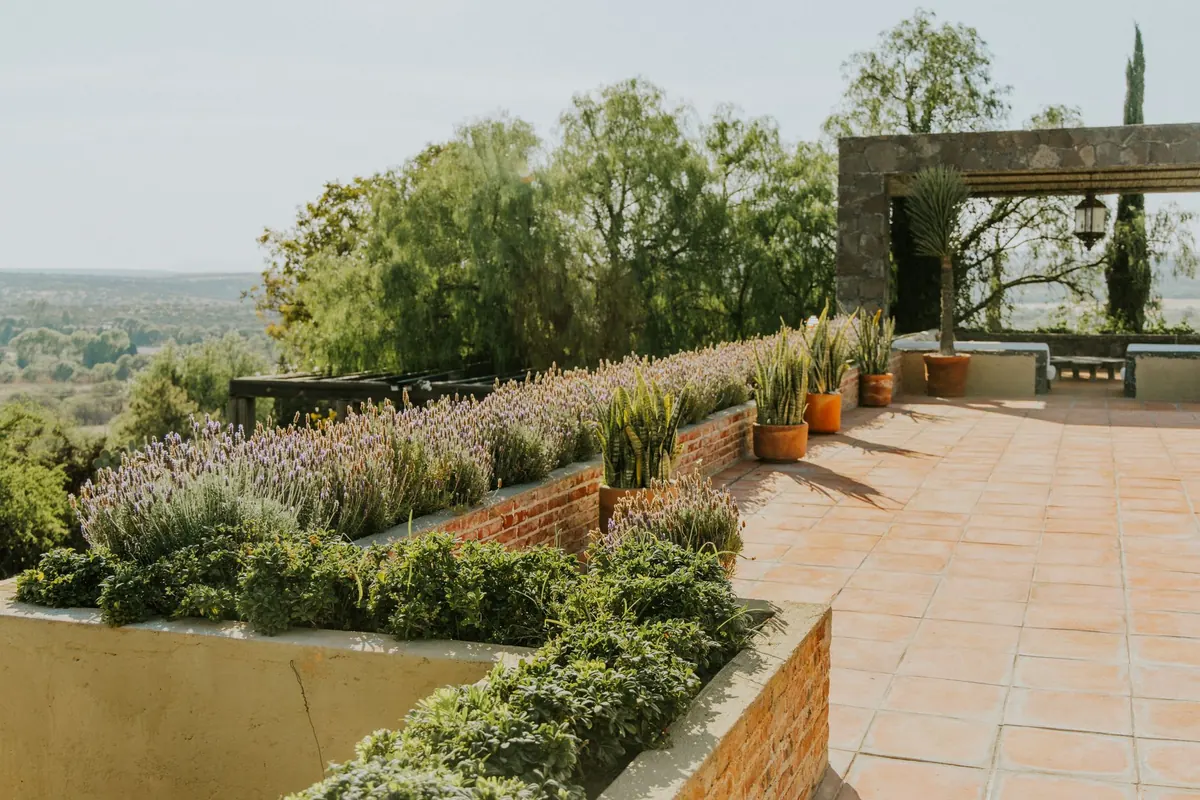
Lavender grows beautifully in a pot. It is one of those plants that almost prefers it: sharp drainage, warm roots, and a little bit of hardship suit it far better than rich garden soil. The trouble is that containers also make it easy to get a few basics wrong, and lavender is unforgiving about sitting in wet compost or shade. Get the pot, the mix and the position right, and a single plant will reward you for years with silver foliage and long fragrant spikes. Get them wrong and it will sulk, go woody, and quietly die over its first winter.
This guide is for anyone with a sunny step, a balcony, a windowsill wide enough for a decent pot, or a patio that could use a little scent. Nothing here needs special equipment. Most of it is about making the plant feel like it is growing on a dry Mediterranean hillside rather than in a bucket of wet compost.
Start with the pot: bigger than you think
The most common mistake is choosing a pot that looks nice and is too small. Lavender has a surprisingly deep, wide root system for its top growth, and a cramped pot dries out too fast in summer and freezes solid too easily in winter. As a rule, give a standard English lavender (Lavandula angustifolia) a pot at least 30 cm across and equally deep. Compact or dwarf varieties will manage in 25 cm, while a vigorous hedge-style lavender or a French lavender wants 35–40 cm.
Drainage holes are non-negotiable. One central hole is rarely enough; look for several, or drill extra. Unglazed terracotta is the classic choice because it breathes and wicks moisture away from the roots, though it is heavy and dries out quickly in a heatwave. Glazed ceramic and frost-proof plastic hold moisture longer, which means you must be more careful with the mix and with winter rain. Whatever you choose, raise the pot on feet or two bricks so water can escape freely and air can move underneath.
Skip the saucer in winter
A saucer is fine in summer if you empty it after watering, but from autumn onwards take it away. Lavender's biggest winter enemy is not cold, it is cold and wet together. Roots standing in a puddle through weeks of rain will rot long before frost does any damage.
The right soil mix (and why rich compost is a problem)
Lavender is a plant of poor, stony, alkaline ground. Ordinary multi-purpose compost is too rich and holds too much water for it, which pushes soft leafy growth that is prone to disease and less fragrant. You want a mix that feels gritty and loose, and that water runs through rather than soaks into.
A reliable blend is roughly two parts soil-based or good peat-free potting compost to one part horticultural grit or perlite, with a handful of coarse sand for weight and drainage. If your tap water is hard, that suits lavender nicely; if you garden on acid soil and want to be thorough, add a small amount of garden lime or use a compost labelled for alkaline-loving plants. Do not add fertiliser at planting time. There will be enough in the compost to get the plant established.
- Do: use a gritty, free-draining mix and a pot with generous holes.
- Do: plant so the top of the rootball sits level with, or a finger's width above, the compost surface.
- Don't: use garden soil straight from the border in a pot; it compacts and drains badly.
- Don't: add manure, slow-release feed or rich homemade compost to the planting hole.
- Don't: bury the crown of the plant, which invites rot around the stems.
Planting a lavender in five steps
- Water the plant in its nursery pot an hour before you start, so the rootball holds together.
- Put a layer of grit or broken crocks in the base of the pot, then fill about a third with your mixed compost.
- Slide the plant out, tease a few roots loose at the sides if they are circling, and set it in place. Check the final level before you fill around it.
- Fill the gaps with more mix, firming gently with your fingers. Leave a 2–3 cm gap below the rim so water does not spill straight over the edge.
- Water well once, let it drain, and top up with a thin layer of grit. That mulch keeps the collar of the plant dry and deters weeds.
Water sparingly for the first fortnight while the roots settle, then ease off. Newly planted lavender in autumn needs very little from you until spring.
Sun, air and the best spot on the balcony
Give lavender full sun: six hours of direct light at minimum, and eight or more is better. It will grow in light shade, but the plants stretch, flower poorly and lose the dense, bushy shape that makes them worth having. On a balcony, the sunniest corner is usually the one against a south- or west-facing wall, and that wall also radiates warmth back at night.
Air movement matters more than people expect. A stuffy corner behind a screen or tight against a glass balustrade keeps foliage damp and encourages mildew. Leave a little space around the pot, and avoid grouping it tightly with thirsty plants that will be watered every day.
Watering, feeding and shaping
Once established, container lavender is drought-tolerant but not immortal. Water thoroughly when the top few centimetres of compost feel dry, then wait. In a hot summer a mature plant in a terracotta pot may need a good soak every two or three days; in spring and autumn, once a week is plenty; in winter, hardly at all. Deep, occasional watering encourages roots to go down. Little and often keeps them near the surface, where they are vulnerable.
Feeding is where enthusiasm backfires. A light liquid feed once in spring, at half the recommended strength, is enough for most pots. Too much nitrogen gives you floppy growth and fewer flowers. If flowering slows in a long season, a tomato-type feed high in potash is a better choice than a general one.
Pruning in a pot
After flowering, trim the spent spikes and about a third of the leafy growth, shaping the plant into a loose dome. Do not cut back into the old, bare wood in the centre: lavender rarely regrows from it. In early spring, tidy up any winter damage and give the plant a light trim, but wait until the worst of the frost has passed.
Winter care for potted lavender
Lavender in the ground is hardy through most European winters. Lavender in a pot is more exposed, because the roots sit above ground where frost reaches them from every side. Cold alone is usually survivable; wet and cold together is what kills plants.
Before the first hard frost, move the pot close to a sheltered wall, ideally out of the prevailing wind and rain. Raise it on feet, remove the saucer, and check the drainage holes are clear. Wrap the outside of the pot with bubble wrap, hessian or a couple of layers of horticultural fleece — the pot, not the plant, so light and air still reach the foliage. Do not seal the top with plastic or a tight cover; trapped moisture and stale air cause more losses than frost. Water very sparingly on mild days, only if the compost has been dry for a while. Never let it sit wet.
If your winters are severe or the pot is small, a cool conservatory, unheated porch or bright garage works as a winter refuge. Bring it back outside as soon as growth starts in spring.
A short seasonal check
Four quick inspections a year will keep a container lavender in good shape. In spring, clear winter debris, trim lightly, and give one weak feed as new growth appears. In early summer, check the drainage holes and water deeply whenever the top of the compost is dry. After flowering, cut out spent spikes and shape the plant. In late autumn, lift the pot onto feet, remove the saucer, wrap the container against frost and cut watering right back.
That is genuinely it. Lavender asks for sun, sharp drainage and a certain amount of benign neglect, and gives back scent, structure and flowers for years in a pot that might otherwise hold a tired geranium. Start with a plant rather than seed if you want speed, choose a compact variety if space is tight, and let the compost dry out between waterings. The plant will do the rest.
Photo: Amar Preciado / Pexels