English vs. French Lavender: Which Should You Grow?
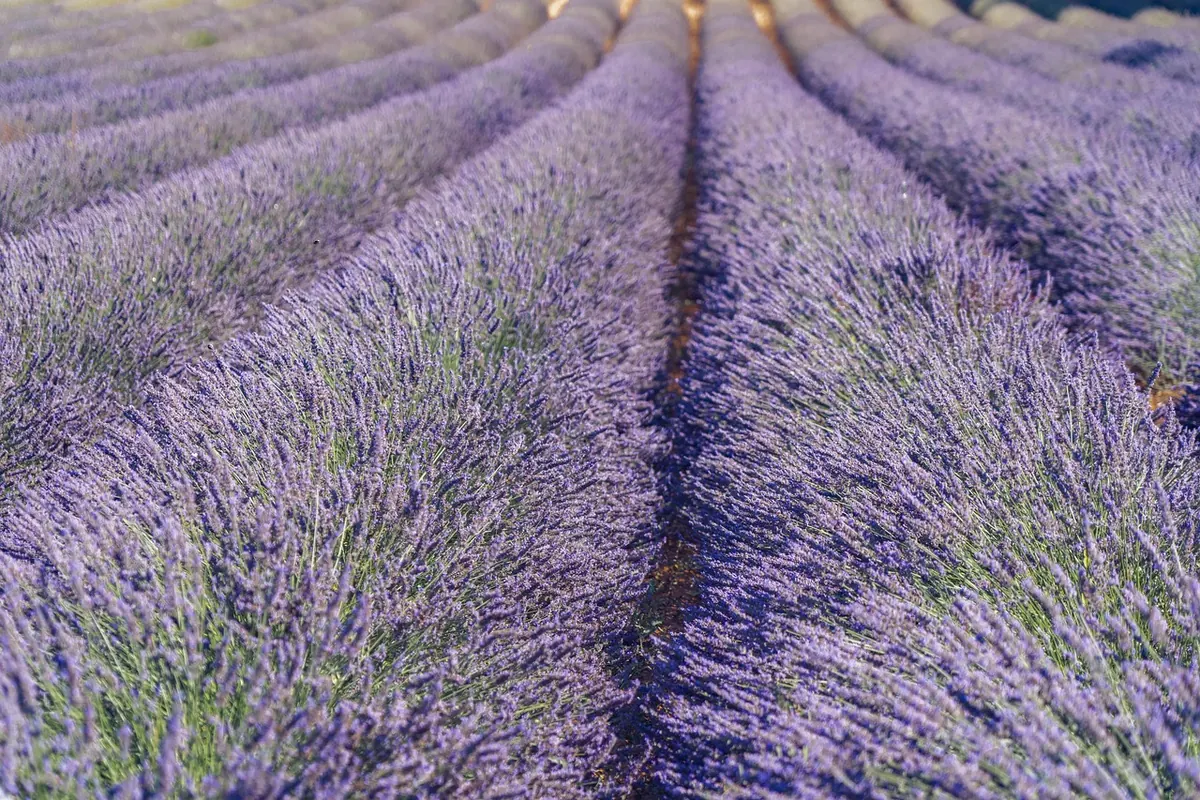
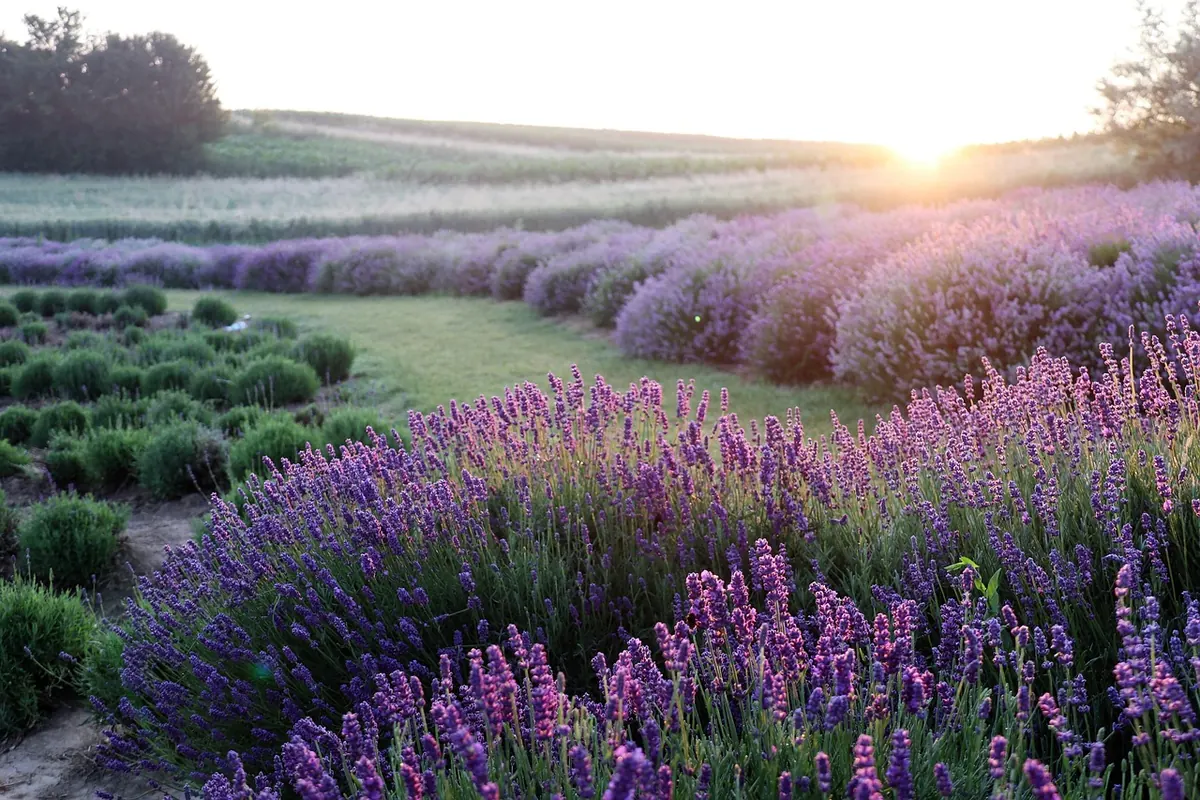
Two lavenders sit side by side on the nursery bench, both silver-green and humming with bees, and the labels might as well be written in Latin — which, of course, they are. English lavender and French lavender sound like near neighbours. In the ground they behave like distant cousins. One shrugs off a hard winter and belongs in the herb bed; the other sulks in cold, wet clay but flowers from late spring into autumn in a mild garden. Getting the choice right takes two minutes and saves a whole wasted season.
The short version
English lavender is Lavandula angustifolia, sometimes sold as true lavender. French lavender in the trade usually means L. stoechas, the butterfly lavender with the little coloured ears on top of each head, and occasionally L. dentata, whose narrow leaves have toothed edges. Both French types are Mediterranean plants that want warmth and light. English lavender comes from higher, cooler ground and is built for frost.
- Hardiness: English roughly USDA zones 5–8; French zones 8–9, or zone 7 in a very sheltered, sharply drained spot.
- Scent: English is sweet, soft and floral with only a whisper of camphor. French is bolder, piney and resinous.
- Bloom time: English gives one main flush in early to midsummer. French starts earlier and repeats if you deadhead it.
- Size: English stays tidy at about 30–60 cm. French is looser and often reaches 60–90 cm across.
- Kitchen use: English is the culinary lavender. French is for the border and the vase, not the shortbread.
That is the whole argument in five lines. The rest is detail — the detail that decides whether your plant is alive in April.
Hardiness: cold is only half the problem
English lavender handles frost, but it does not handle wet. A plant in cold, heavy soil with its crown sitting in mush will rot whether the winter is mild or bitter. The fix is the same everywhere: full sun, a raised or mounded position, and gravel or coarse grit worked into the top few centimetres around the collar. Mulch with gravel rather than bark for the same reason. Keep the foliage dry and the roots sharp-drained and L. angustifolia will come back reliably year after year.
French lavender needs more than that. It resents prolonged cold and damp, and in zone 7 or below it is usually grown as a container plant that spends winter in a cool, bright porch or greenhouse. It also dislikes being wet in winter far more than it dislikes a cold snap. If your soil holds water in January, either raise the bed or grow French lavender in a pot of gritty compost and move it under cover before the autumn rains set in.
Scent: sweet versus resinous
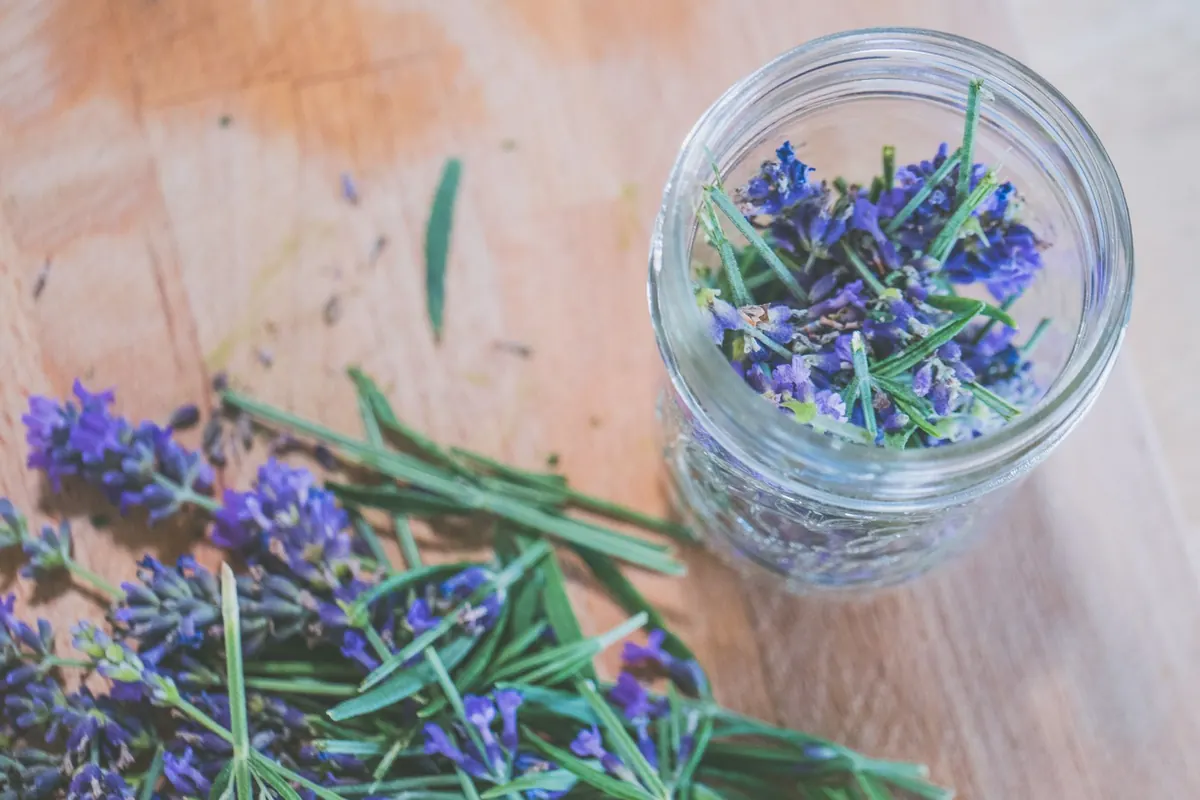
Crush a leaf of English lavender and you get the smell everyone means when they say lavender: clean, sweet, slightly powdery, with that soft floral note that makes it work in sugar and cream. The essential oil content is highest in the buds, so cut stems on a dry morning just as the flowers begin to open rather than when they are fully blown. A handful of stems hung in a warm, dark shed will scent a linen cupboard for months.
French lavender is a different creature. Its scent is stronger, sharper and much more camphor-like, closer to rosemary than to a lavender sachet, and it turns bitter in cooking. Grow it for the look of the thing — the coloured bracts above each flower head look like butterflies' wings and last for weeks on the plant — and keep it out of the kitchen. If you want fragrance for perfume work or a strong-smelling border plant in a hot garden, that resinous edge is exactly the point.
Bloom time and how long it lasts
English lavender is an early-to-midsummer plant, typically flowering for four to six weeks from June into July. Cultivars such as 'Hidcote' and 'Munstead' are compact, early and generous; older plants that are never pruned flower less and flop open in the middle. Once the flush is over, shear off the spent spikes to keep the bush tight and encourage a modest second showing in late summer.
French lavender starts earlier and keeps going. In a mild garden the first heads open in late spring, and if you snip off each faded head with a little of the stem, fresh flushes follow into August or even September. That longer season is the main reason people choose it. The trade-off is that in a cold year the plant may spend the whole season recovering and never hit full stride.
Size and shape in the border
English lavender makes a dense dome, usually 30–60 cm tall and wide, which is why it works so well as a low hedge along a path or as a single specimen in a pot. It holds its shape and looks deliberate. Space plants about 30–40 cm apart if you are hedging; closer than that and air cannot move between them.
French lavender sprawls. Expect 60–90 cm in both directions, with softer stems that open out in wind and rain. Give it room, put it where a loose, informal habit reads as a feature rather than a fault, and pair it with gravel, stone or a warm south-facing wall. In mild areas the foliage stays on the plant all winter; after a hard frost it may look ragged until new growth appears in spring.
Care: the same rules, with one difference
Both plants want the same fundamentals: at least six hours of sun, poor-to-average soil, no rich compost, and water only while they are establishing. Feed nothing. A lean plant is a fragrant, compact plant; a pampered one is soft, leggy and short-lived.
- Plant in spring or early autumn, on a slight mound, with grit in the planting hole.
- Water well for the first summer only, then leave the plant to fend for itself.
- Prune English lavender immediately after flowering, cutting back to just above the old woody base but never into bare, leafless wood.
- Leave French lavender's framework intact over winter, then tidy it in spring once new growth shows and trim lightly after each flush.
- Replace plants that go bare in the centre. Both lavenders are short-lived shrubs, and a five-year-old specimen that has been sheared hard every year is doing well.
When in doubt, prune less than you think you should. Lavender rarely dies of neglect; it dies of being cut back into old wood.
So which should you grow?
If you garden where winters bite, or if you want a plant for cooking, drying and hedging, choose English lavender. Buy two or three cultivars and note which flowers earliest for you — that is the one to propagate from. If you garden in a mild, sunny spot and want the longest possible season of colour, grow French lavender, deadhead it often, and accept that it may be a short-term tenant rather than a permanent fixture.
And if you have room for both, plant them at opposite ends of the same gravel path. The English will flower first in the cool weeks and finish as the French gets into its stride, and you will get lavender in some form from early summer into autumn. That, more than any label, is the argument for growing both.
Photo: ChiemSeherin / Pixabay