Lavender Hedge Planning: Spacing, Pruning, and Design Tips
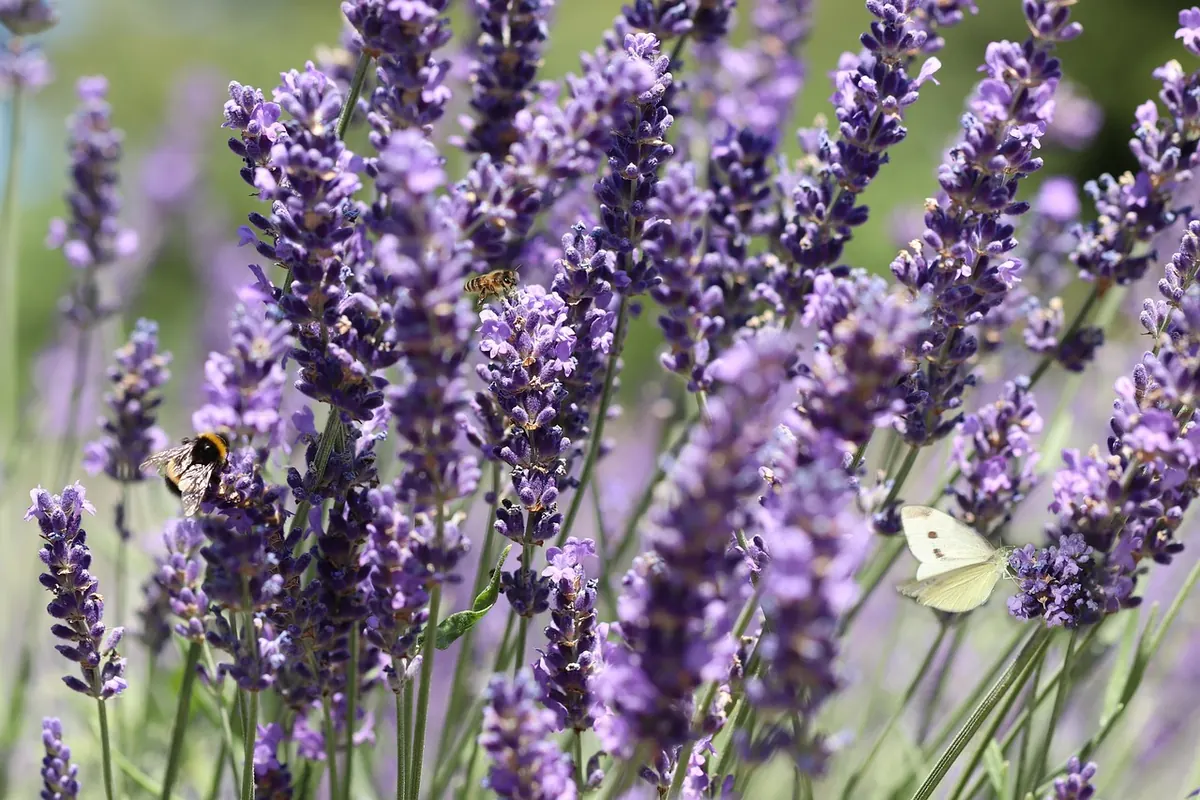
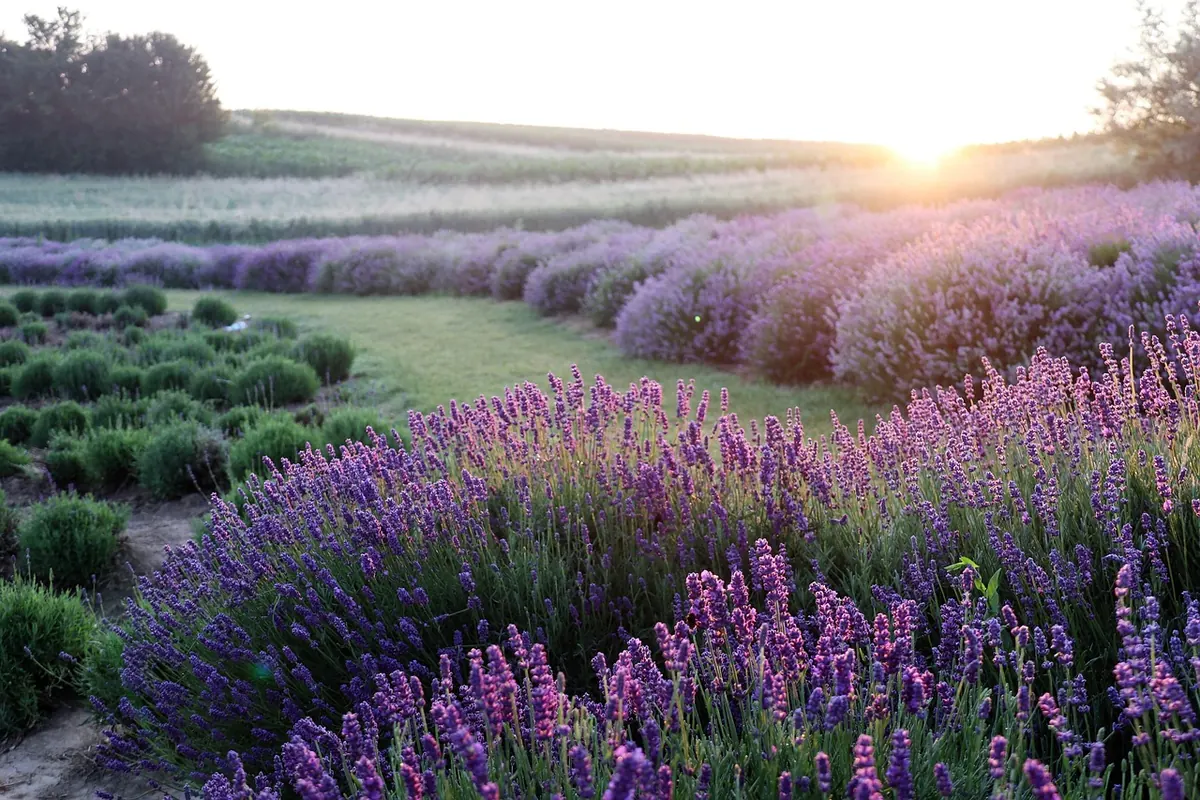
A lavender hedge earns its place. It marks a boundary, feeds the bees, and releases scent every time you brush past it on the way to the door. It is also a planting that shows every mistake you made on paper. Gaps that never close, plants that splay open in the middle, a row that goes woody at the base after four seasons — none of that is bad luck. It comes down to variety, spacing, and the annual cut. Lavender is a predictable plant. Get those three things right and a hedge will hold a crisp shape for a decade or more.
Start With the Variety, Not the Colour
The single most useful decision is which lavender you are actually planting. English lavender, Lavandula angustifolia, is the one to choose for a tight, low hedge in most gardens. It is the hardiest of the common types, flowers from early summer, and keeps a compact, bushy frame. 'Hidcote' is dense and deep purple with a neat habit; 'Munstead' is a touch looser and earlier, with softer grey foliage. Both make a hedge that clips well.
Lavandins, Lavandula x intermedia, are the big, late-flowering sorts such as 'Grosso' and 'Provence'. They carry long stems and larger flower spikes, and they suit a taller, more relaxed hedge at the back of a border. Give them more room and expect a slightly more open habit. French and Spanish lavenders with the fat, tufted flower heads are lovely in a warm, sheltered spot, but they are shorter-lived and less reliable as a structural hedge. Keep them for gaps and pots.
Buy every plant for the hedge in one order, from the same batch if you can. Mixed sizes are the main reason a new hedge looks uneven for the first two years, and mixed cultivars will never match at flowering time.
Spacing: Half the Spread Is the Working Rule
Look at the plant label for the eventual spread, then plant at roughly half that distance if you want the row to close within two or three seasons. Plant at the full spread if you are patient and would rather not thin the hedge later. In practice, that gives you these numbers:
- Compact English lavender ('Hidcote', 'Munstead'): 30–35 cm apart.
- Larger English lavender and mid-size cultivars: 40–45 cm apart.
- Lavandins ('Grosso', 'Provence'): 50–60 cm apart.
To work out how many plants you need, divide the length of the run by your spacing and add one. A six-metre run at 35 cm spacing is 600 ÷ 35 = 17, plus one, so 18 plants. Order two or three spares; one will always be weaker than the rest.
Single row or double row?
A single row is right for a boundary you only ever see from one side, such as the front edge of a bed along a path. For a hedge viewed from both sides, or one that needs to look substantial, use a double staggered row: two lines about 30–40 cm apart, with the plants in the second line sitting opposite the gaps in the first. This closes faster, stands up better to wind, and gives you a hedge with real depth.
Mark the positions with canes and a taut string line before you plant anything. Then stand back and look at the layout from the house, from the gate, from the kitchen window. A line of canes costs nothing to move; a line of planted lavender costs a season.
Prepare the Ground for Drainage, Not Richness
Lavender dies in wet soil far more often than it dies of cold. It wants full sun, at least six hours in summer, and ground that drains within a few hours of heavy rain. If your soil is heavy clay, do not fight it — plant on a mound of coarse grit mixed into the topsoil, or build a shallow raised bed. A gentle slope helps more than most people expect.
Skip the compost and manure. Rich soil pushes soft, leafy growth that flops and flowers poorly; lean soil keeps plants compact and strongly scented. Plant in spring, or in early autumn where winters are mild enough for roots to settle before the cold. Water thoroughly after planting and keep watering through the first dry summer, then stop. An established lavender hedge should not sit on an irrigation line.
Finish with a 5–7 cm layer of gravel or grit mulch, kept clear of the stems. It suppresses weeds, reflects light up into the foliage, and keeps the collar of the plant dry through winter.
The Pruning Calendar That Keeps a Hedge Tight
An unpruned lavender hedge opens in the middle and turns bare at the base within four or five years. Two cuts a year prevent that.
Late summer, straight after flowering. This is the main shaping cut. Take off the flower stems and trim the foliage back by about a third, cutting to two or three centimetres above the previous year's growth. The rule that matters: always finish in green leafy growth. English lavender will not reliably reshoot from old, bare wood, so never cut back into the grey tangle at the centre of an old plant. If you inherit a hedge that is already bare at the base, cut more cautiously and accept that it may need replacing.
Spring tidy, around April. Once new growth is showing, go over the hedge again lightly to even up winter damage and restore the line. This is a tidy-up, not a hard prune.
In cold gardens, avoid pruning in autumn. Fresh growth made in September is the first thing to be damaged by frost. And if you are planting a new hedge, pinch out the growing tips in the first summer and remove the flower spikes. It feels wasteful. It builds a bushier plant that will carry far more flowers from the second year onwards.
For the shaping itself, run a string line along the top of the hedge and cut to it with sharp shears or a hedge trimmer held flat. Keep the sides very slightly wider at the base than at the top — a shallow trapezoid rather than a box. That profile lets light reach the lower foliage, which is what keeps a hedge green all the way down.
Edges, Paths, and Other Finishing Details
The line where a lavender hedge meets grass is where most of them start to look scruffy. Cut a clean edge and keep it maintained. A gravel trench 20–25 cm wide, taken down about 5 cm and refreshed each spring, does two jobs: it stops grass creeping into the plants and gives the hedge a deliberate base. Stone setts, brick laid flat, or a mowing strip will do the same.
Think about the top, too. A flat clipped top reads formal and works well beside a straight path or a set of steps. Rounded shoulders soften the hedge and suit a cottage border. Whichever you choose, repeat it along the whole run — a hedge that changes profile halfway always looks like an accident.
For contrast, plant something dark and tightly clipped nearby: box, yew, or cotton lavender. Against deep green, the grey foliage of a lavender hedge looks brighter, and the purple flowers carry further. Allow the hedge to frame a doorway or close off the end of a path, and it will do more for the garden than three separate beds of the same plants.
A Short Planning Checklist
- Measure the run, and note gateways, steps, and anything you need to walk past.
- Choose one variety suited to your winter cold and your intended hedge height.
- Decide single or double row, then calculate plant numbers and add a few spares.
- Order everything at once so the plants match.
- Set out canes and string, and check the line from several viewpoints before digging.
- Sort out drainage first — grit, mound, or raised bed.
- Put both pruning dates in the diary now: late summer, and a light spring tidy.
Do that, and the hedge takes care of itself. Water it through the first summer, cut it twice a year, keep the edge clean, and it will look better in year eight than it did in year two.
Photo: Nennieinszweidrei / Pixabay